
Industry thought leaders, multiple geological settings, and a practical look at how AI and Machine Learning (ML) are changing the way we understand the subsurface.
The AI Machine Learning Symposium brings together managers and practitioners to examine practical applications of artificial intelligence (AI) and machine learning (ML) across seismic interpretation, reservoir characterization, geological modeling, and emerging geoscience workflows.
Through case studies and forward-looking discussions, speakers will explore how new computational methods are helping subsurface teams extract more information from seismic and well data, identify features beyond conventional interpretation limits, accelerate complex workflows, and prepare for the next generation of AI-assisted geoscience.
Gain a foundational understanding of how to:
-
Leverage LLMs and Agentic AI in geoscience workflows
-
Reveal geologic features below the classical tuning thickness
-
Predict lithofacies using ML applied to seismic attributes and well logs
-
Integrate ML results within 3D geological models
-
Enable automatic fault detection and structural interpretation
-
Characterize reservoirs faster and at lower cost
-
See more in seismic imaging through elastic full-waveform inversion
-
Expand what is possible in subsurface analysis
Event Details
📅 Date: Wednesday, November 11, 2026
🕗 Time: 8:00 AM CST – 3:00 PM CST
📍 Location: Norris Conference Center (CityCentre)
816 Town and Country Blvd #210, Houston, TX 77024
Featured Presentations

Connecting Seismic, Wells, and 3D Geological Models
Robin Dommisse | Senior 3D Geological Modeling Advisor, Bureau of Economic Geology, The University of Texas at Austin
Robin Dommisse will demonstrate how Self-Organizing Maps, seismic attributes, well-log lithofacies, and geological modeling can be combined to generate detailed 3D lithofacies predictions.
His presentation will also examine AI-assisted fault detection and how machine learning results can be incorporated into structural and reservoir models to accelerate subsurface characterization.

Moving Beyond Conventional Wavelet Interpretation
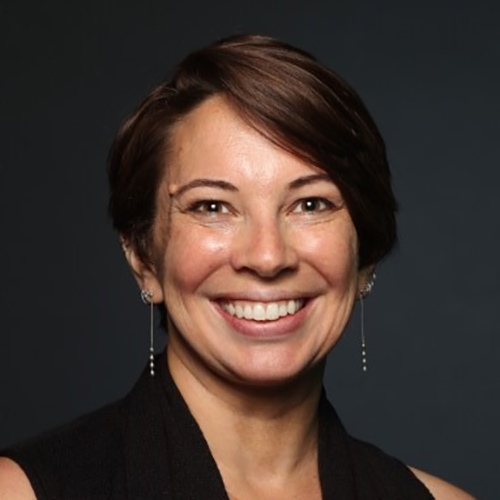
Deborah Sacrey | Executive Director of Operations, Geophysical Insights
Deborah Sacrey will explore how unsupervised machine learning can classify multiple seismic attributes simultaneously to reveal geologic detail that may be difficult to resolve in conventional seismic data.
Using case studies from the Permian Basin and Eastern Shelf, she will demonstrate applications involving reef porosity, subtle stratigraphic traps, and fault-controlled reservoir compartments.

Predicting Reservoirs Below Conventional Seismic Resolution
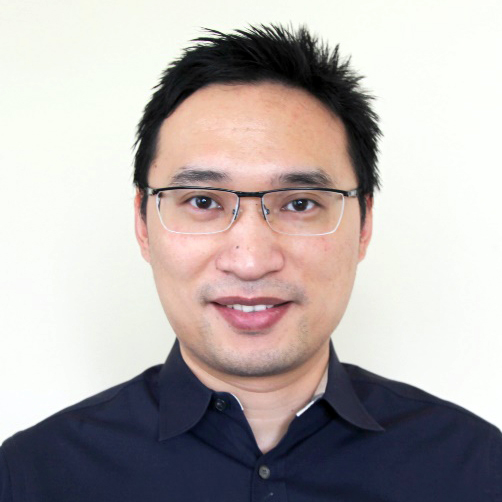
Sigfrido Nielsen | Founder & Director, Geoinfo SRL
Sigfrido Nielsen will present a case study from Ecuador’s Oriente Basin, where reservoir sands only 8 to 18 feet thick fall well below conventional seismic resolution.
By integrating seismic data, well logs, Self-Organizing Maps, and statistical validation, the workflow demonstrates how machine learning can predict lithofacies distribution in reservoirs that conventional seismic methods struggle to resolve.
Technology Trends Impacting Geoscience Interpretation
Rocky Roden | Sr. Geoscience Consultant, Geophysical Insights
Rocky Roden will examine three technologies having a growing impact on seismic and well-data interpretation: elastic full-waveform inversion, AI and machine learning, and increasing computational power.
His presentation will also look ahead to the role of large language models, Agentic AI, high-performance computing, and quantum computing, considering how these technologies may change the way geoscientists interact with data and automate increasingly complex interpretation workflows.
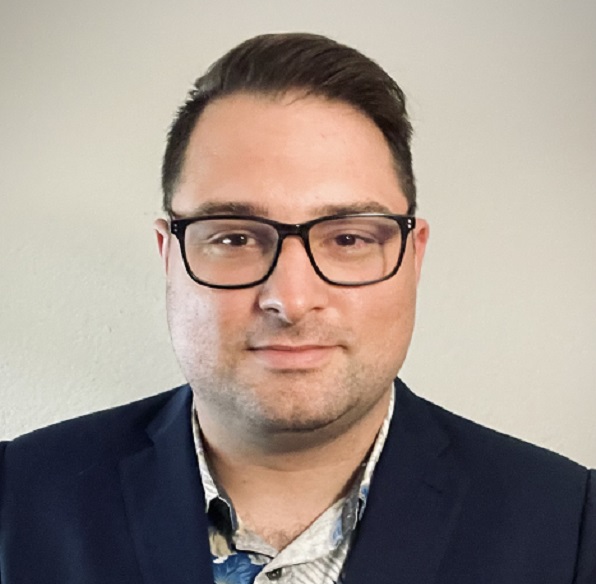
Augmenting the Geoscientist with AI
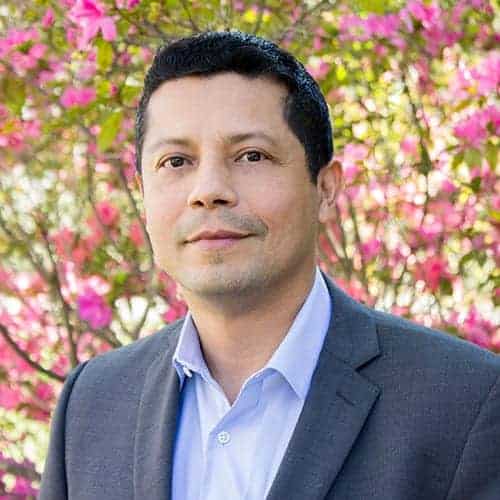
Thomas Chaparro | Product Manager Lead, Geophysical Insights
Thomas Chaparro will examine how AI can support seismic interpretation through seismic attribute analysis, automated fault detection, and lithofacies prediction within the Paradise® AI workbench.
Drawing from case studies across several geological settings, he will also discuss the developing role of large language models and Agentic AI in interpretation, quality control, and geoscience workflow management.
From Seismic Data to AI-Assisted Interpretation
Across the five presentations, the symposium will examine AI and machine learning from both practical and forward-looking perspectives.
Attendees will see how machine learning can reveal subtle stratigraphic and structural patterns, predict lithofacies, support fault interpretation, and connect seismic results with wells and geological models. The program will also explore the technologies shaping what comes next, from elastic full-waveform inversion and high-performance computing to LLMs, Agentic AI, and future advances in computational power.
Throughout the symposium, the focus remains on using these tools to augment the geoscientist—providing additional ways to investigate complex data, test interpretations, accelerate workflows, and support better-informed subsurface decisions.
Featured Speakers

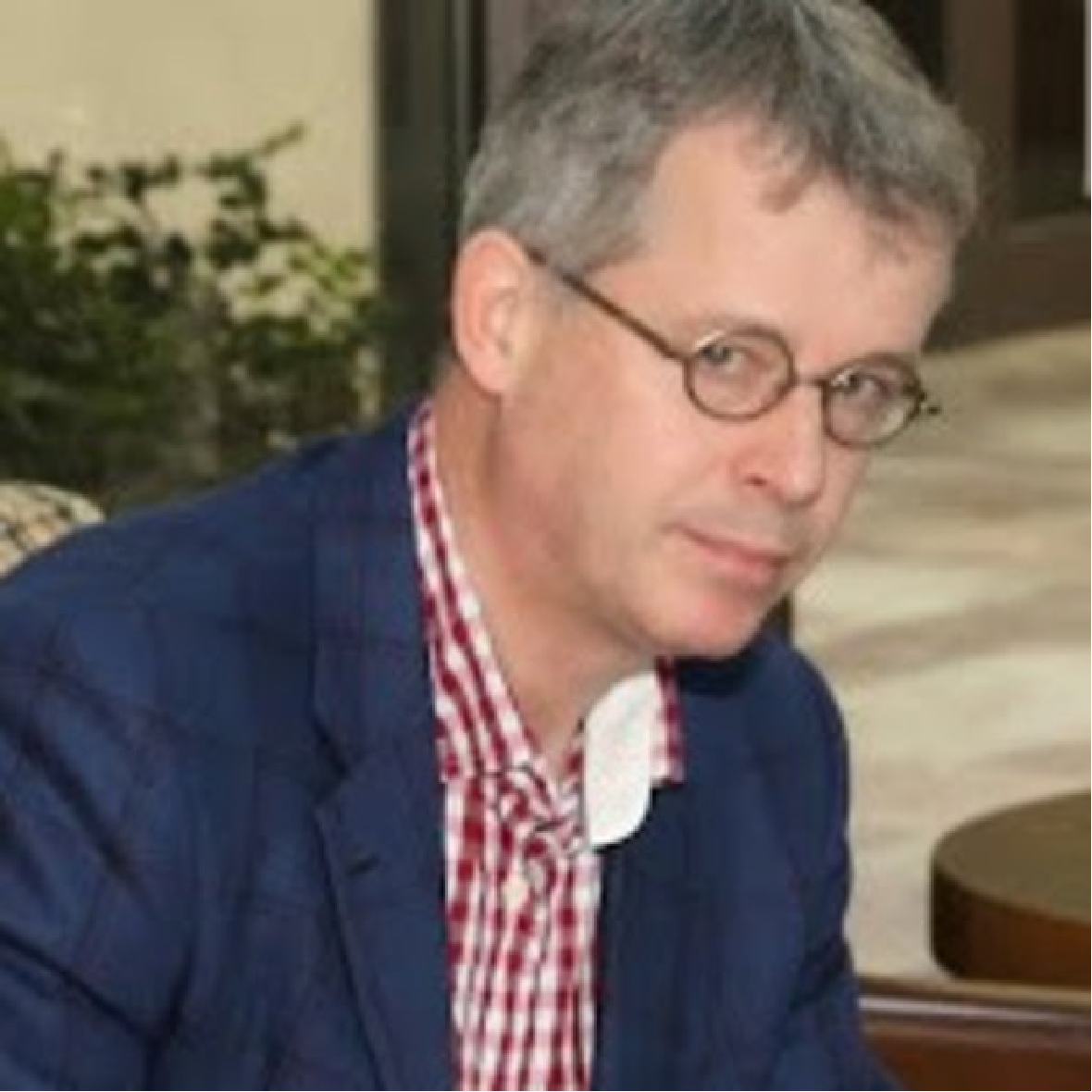
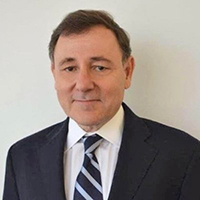
Robin Dommisse
Senior 3D Geological Modeling Advisor
Bureau of Economic Geology
The University of Texas at Austin
Robin Dommisse started building 3D geocellular models at the University of Texas BEG 35 years ago, prior to spending 25 years in the oil and gas industry where he used his background in Geology and Reservoir Engineering to create 3D models for some of the largest oil and gas reservoirs in the world, including the Ghawar field in Saudi Arabia and eight major Shale and Tight Oil basins in the US.

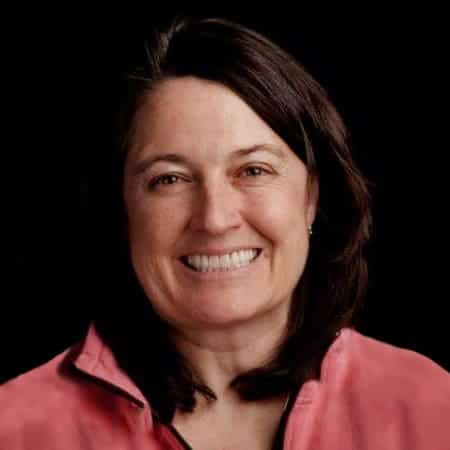
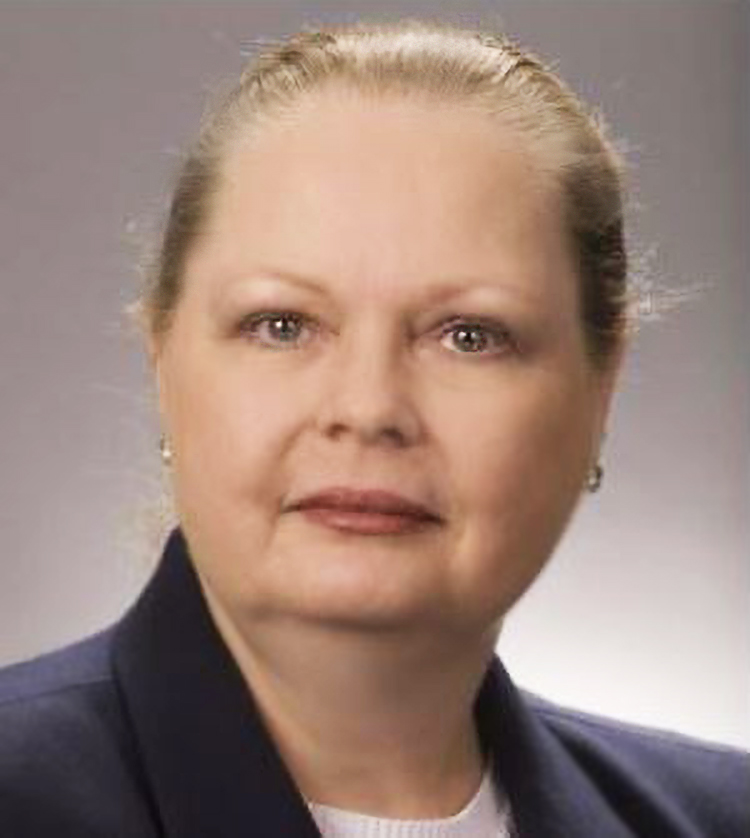
Deborah Sacrey
Executive Director of Operations
Geophysical Insights
Deborah Sacrey is Executive Director of Operations at Geophysical Insights and a recognized leader in seismic interpretation and machine learning applications. As a former AAPG President with decades of industry experience, she has been at the forefront of integrating advanced analytics into geophysical workflows, helping organizations extract greater value from their seismic data.

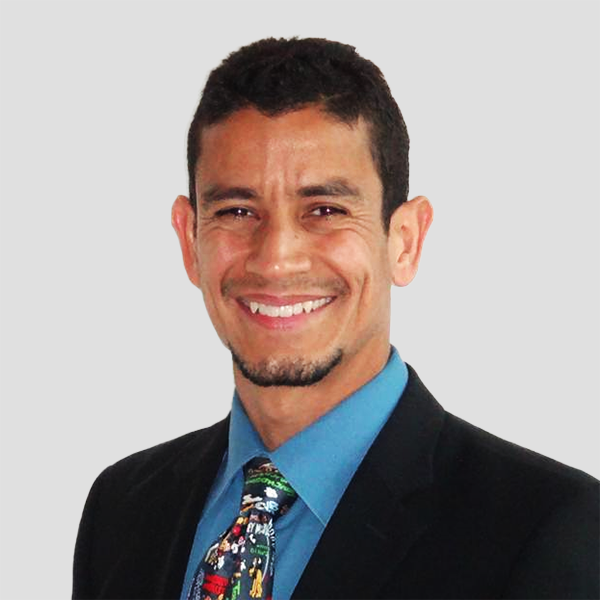
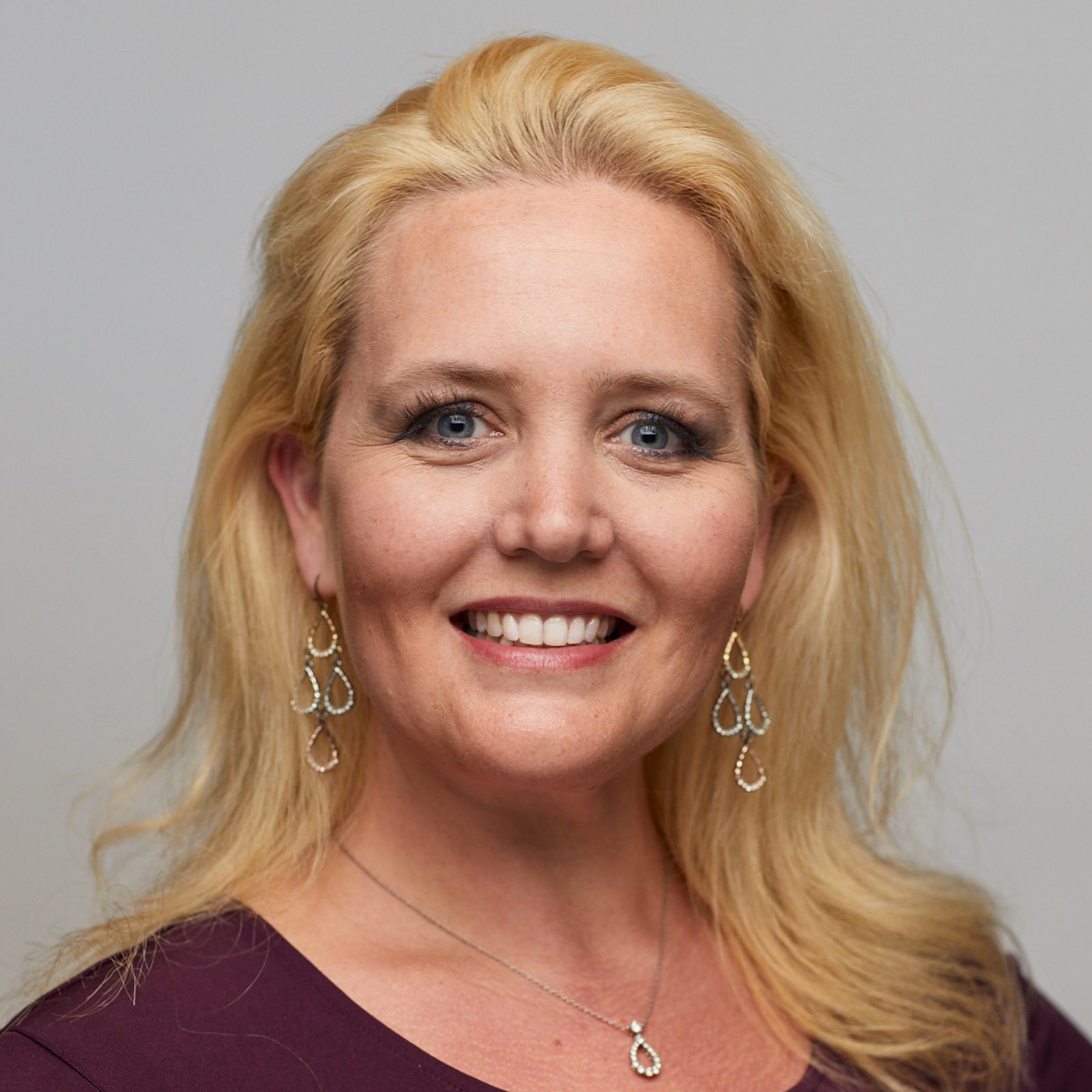
Sigfrido Nielsen
Founder & Director
Geoinfo SRL
Sigfrido Nielsen is a Senior Geologist and Geophysicist with nearly four decades of experience in hydrocarbon exploration, subsurface characterization, and the application of advanced technologies for geological and geophysical interpretation. A pioneer in the digital transformation of subsurface data analysis, he has extensive expertise integrating seismic, geological, and petrophysical data using artificial intelligence and machine learning techniques, and international consulting experience across Argentina, elsewhere in Latin America, and Africa.
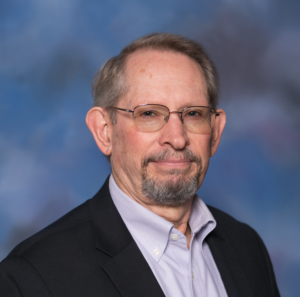
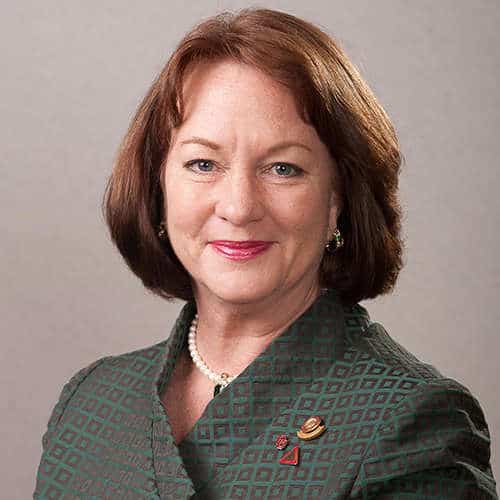
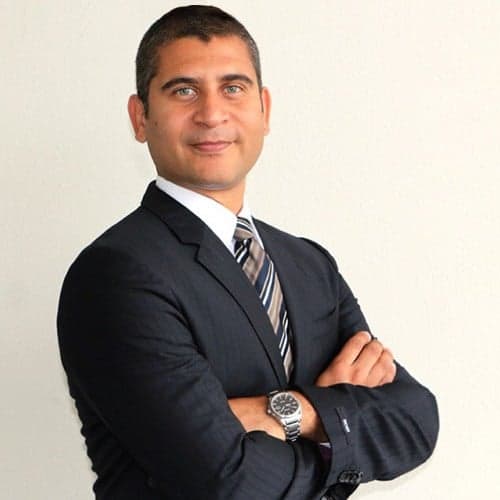
Rocky Roden
Sr. Geoscience Consultant
Geophysical Insights
Rocky Roden has 50 years in the industry as a Geophysicist, Exploration/Development Manager, Director of Applied Technology, and Chief Geophysicist, with previous roles at Texaco, Pogo Producing, Maxus Energy, YPF Maxus, and Repsol. He owns his own consulting company, Rocky Ridge Resources, has authored or co-authored over 100 technical publications and presentations, is ex-Chairman of The Leading Edge editorial board, and is currently Sr. Geoscience Consultant with Geophysical Insights, developing machine learning advances for geoscience interpretation.
Thomas Chaparro
Product Manager Lead
Geophysical Insights
Thomas Chaparro is a Senior Geophysicist and Product Manager at Geophysical Insights who specializes in training and preparing AI-based workflows. He previously worked as a processing geophysicist on 2D and 3D seismic data, with projects in the Gulf of Mexico, offshore Africa, the North Sea, Australia, Alaska, and Brazil.