
Geophysical Insights Midland Luncheon
Disruptive by Design: Machine Learning Case Studies from the Permian Basin
Geophysical Insights Midland Luncheon
Disruptive by Design: Machine Learning Case Studies from the Permian Basin
About the Event
How Machine Learning Is Rewriting Permian Basin Subsurface Interpretation
Subsurface interpretation often comes down to a familiar challenge: extracting more useful geologic information from seismic data that may not clearly resolve the features that matter most. Thin beds, subtle stratigraphic changes, reservoir compartments, and variations in carbonate facies can be difficult to identify with conventional seismic interpretation alone.
That’s why on Tuesday, 15 September, Geophysical Insights is hosting a complimentary luncheon in downtown Midland focused on how machine learning can help reveal these harder-to-see features, integrate multiple seismic attributes, and turn complex datasets into more useful reservoir insight. This luncheon will be held at the Wyndham Midland Downtown during the 2026 WTGS & SWS AAPG Centennial Conference, but you do not need to be a conference attendee to join us.
Featured Case Studies
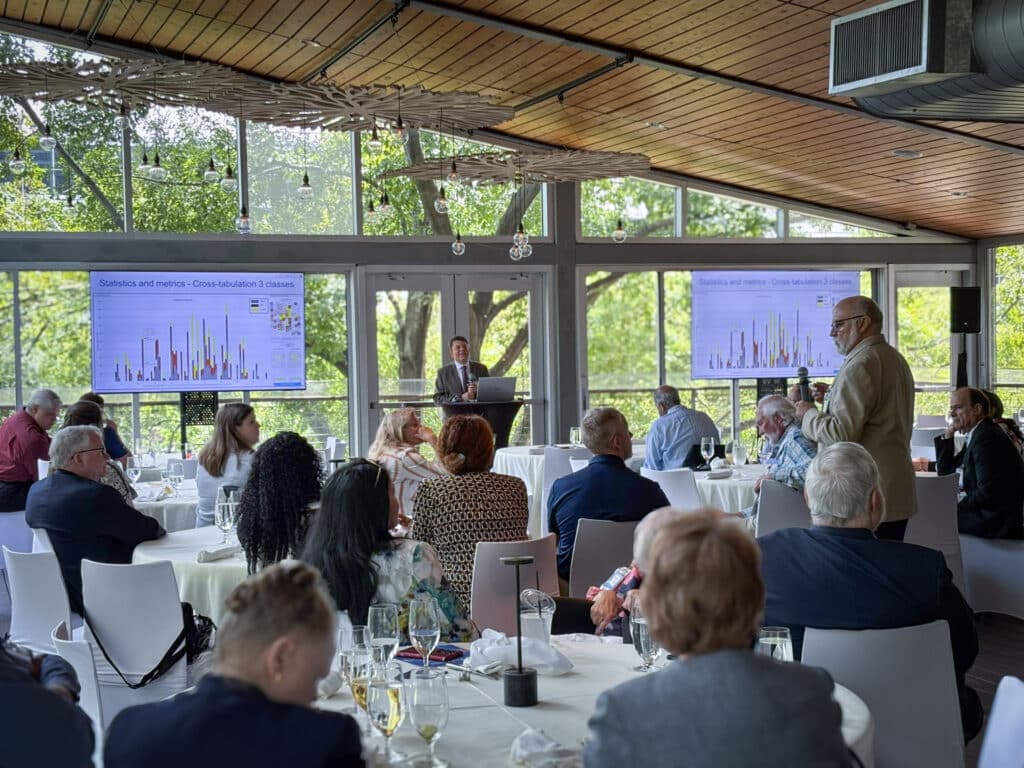
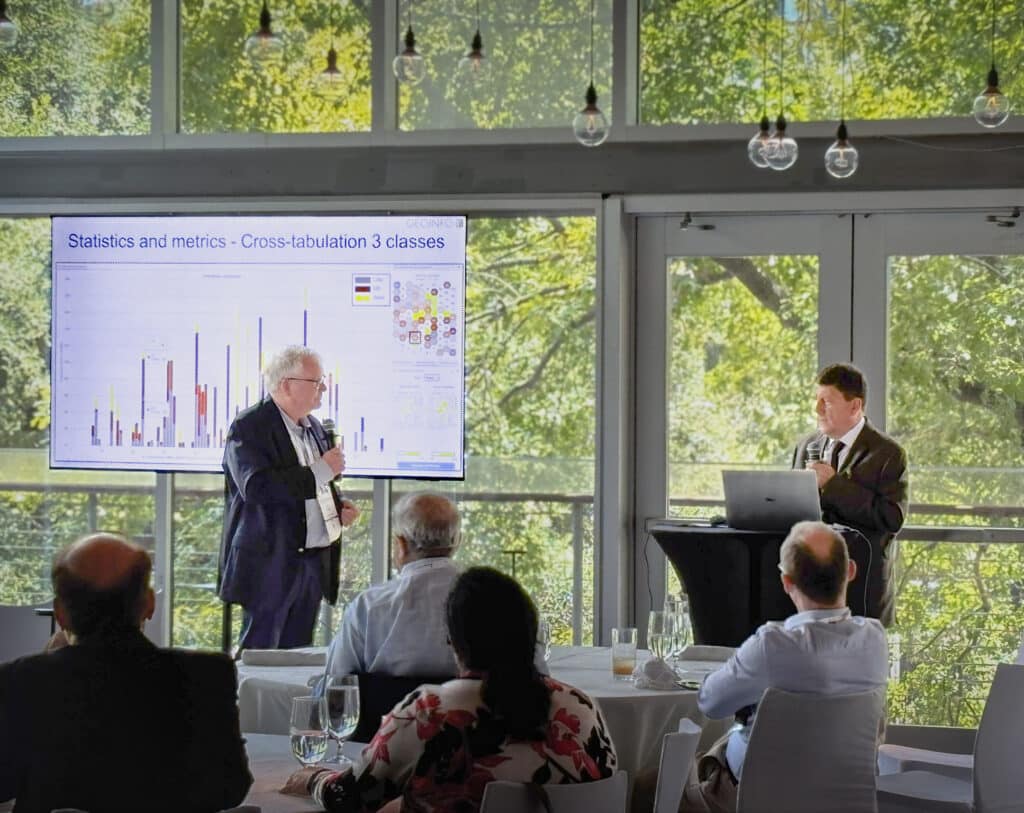
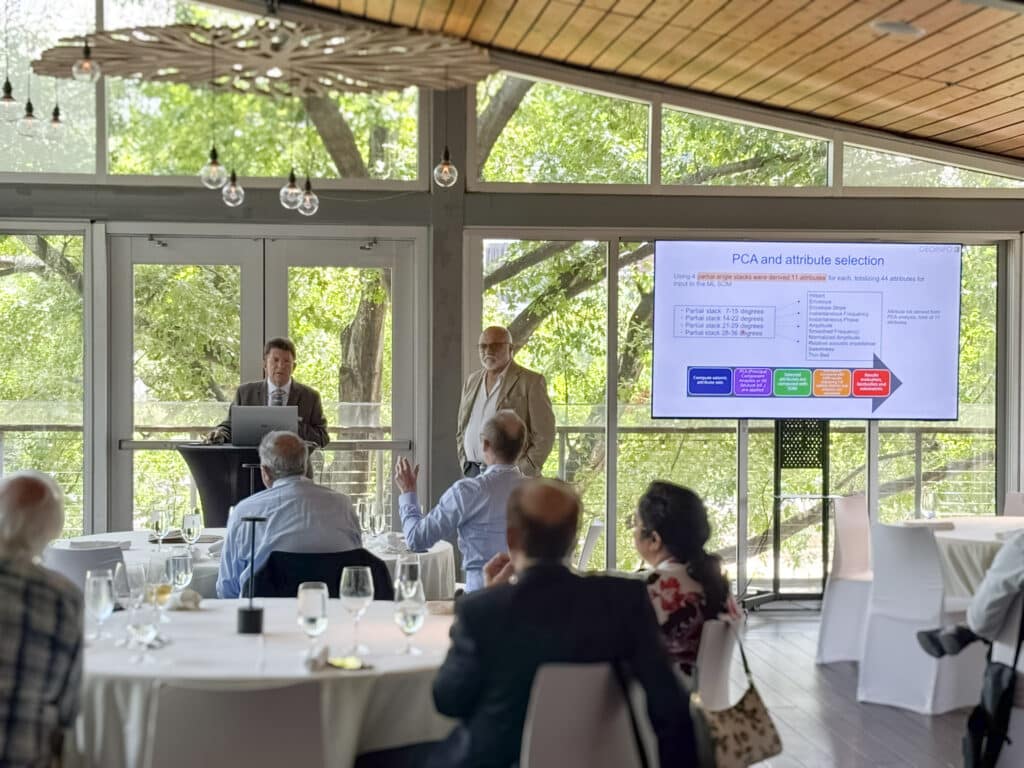
Two case studies show how machine learning is changing subsurface interpretation across the Permian Basin. Deborah Sacrey presents Permian and Eastern Shelf examples where unsupervised classification of multiple seismic attributes reveals reef porosities, subtle stratigraphic traps, and faulting compartments hidden in conventional wavelet data. Robin Dommisse, with the Bureau of Economic Geology, shares results from Geophysical Insights’ Paradise software applied to a 2-billion-cell Permian Basin research model, where Self-Organizing Map–based lithofacies prediction—calibrated to well logs and validated against production—cut a carbonate reservoir characterization study from weeks to under 12 hours.
What Attendees Will Learn
- How unsupervised, multi-attribute seismic classification using Self-Organizing Maps (SOMs) resolves depositional and stratigraphic detail — reef porosity, subtle traps, fault compartments — that conventional wavelet interpretation obscures.
- How Permian Basin case studies (Kingdom Abo, Fairfield DB1-3, Midland Farms Unit, Salt Creek, and Eastern Shelf fields) turned into validated 3D facies volumes and geobodies, not just theoretical models.
- How results get proven, not just produced: well-log calibration, statistical validation (Chi-Square, Cramer’s V), and production-performance checks — with one carbonate characterization study compressed from weeks to under 12 hours.
Whether you’re a geoscientist interpreting seismic, a consultant evaluating reservoir opportunities, or a producer looking for better ways to reduce subsurface uncertainty, this luncheon will offer practical examples of how machine learning can support faster, more informed interpretation and development decisions.
Registration has closed.

Featured Speakers

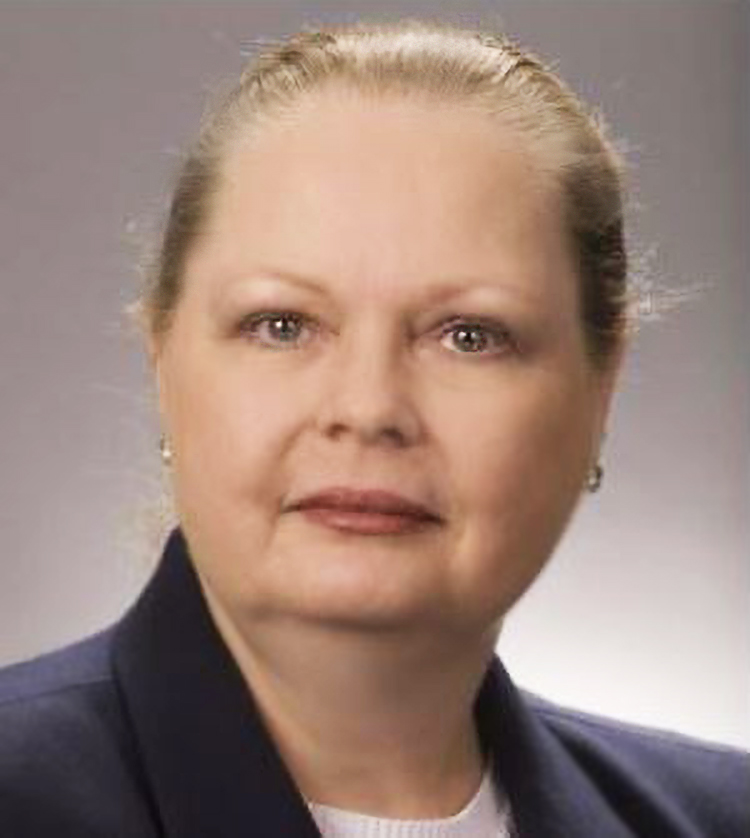
Deborah Sacrey
Executive Director of Operations
Geophysical Insights
Deborah Sacrey is Executive Director of Operations at Geophysical Insights and a recognized leader in seismic interpretation and machine learning applications. As the former AAPG President with decades of industry experience, she has been at the forefront of integrating advanced analytics into geophysical workflows, helping organizations extract greater value from their seismic data.

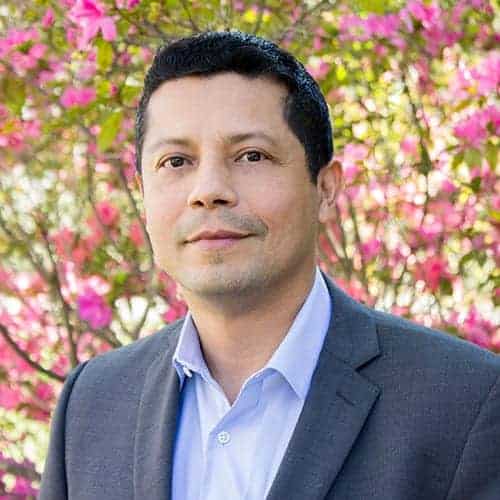
Robin Dommisse
Senior 3D Geological Modeling Advisor
Bureau of Economic Geology
The University of Texas at Austin
Robin Dommisse started building 3D geocellular models at the University of Texas BEG 35 years ago, prior to spending 25 years in the oil and gas industry where he used his background in Geology and Reservoir Engineering to create 3D models for some of the largest oil & gas reservoirs in the world, including the Ghawar field in Saudi Arabia and eight major Shale and Tight Oil basins in the US.
──────── Registration ────────
Registration has closed.