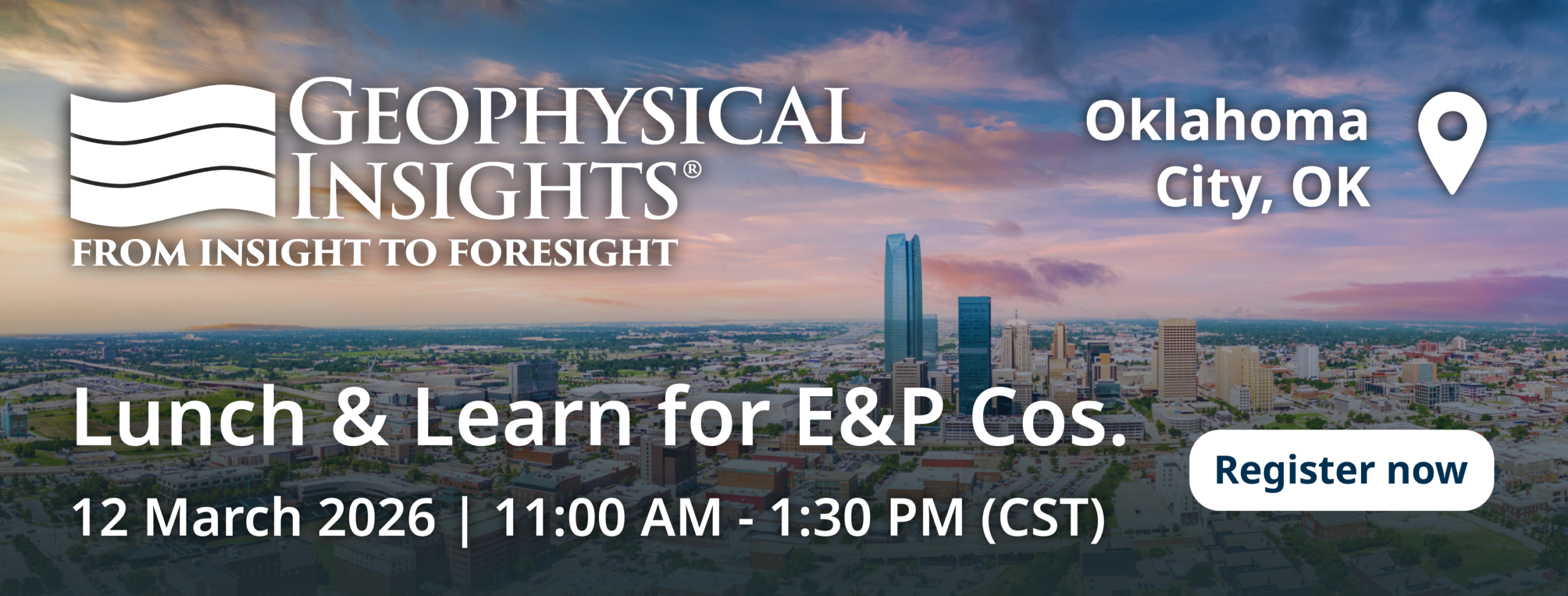
Extract More from Seismic and Wells using AI – a Lunch & Learn Event
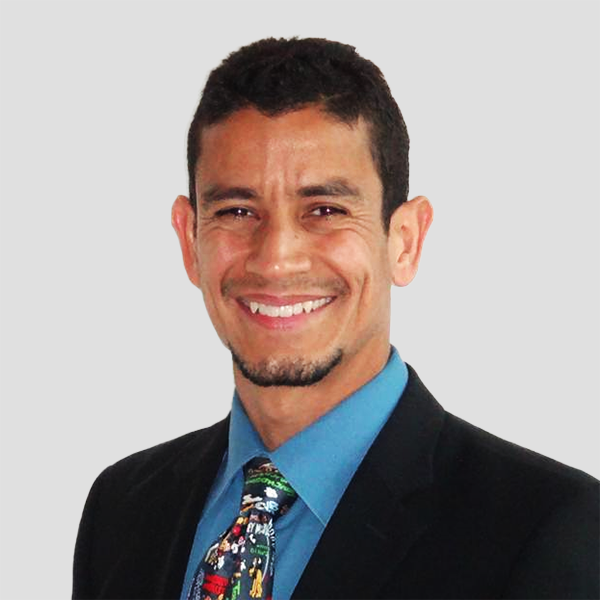
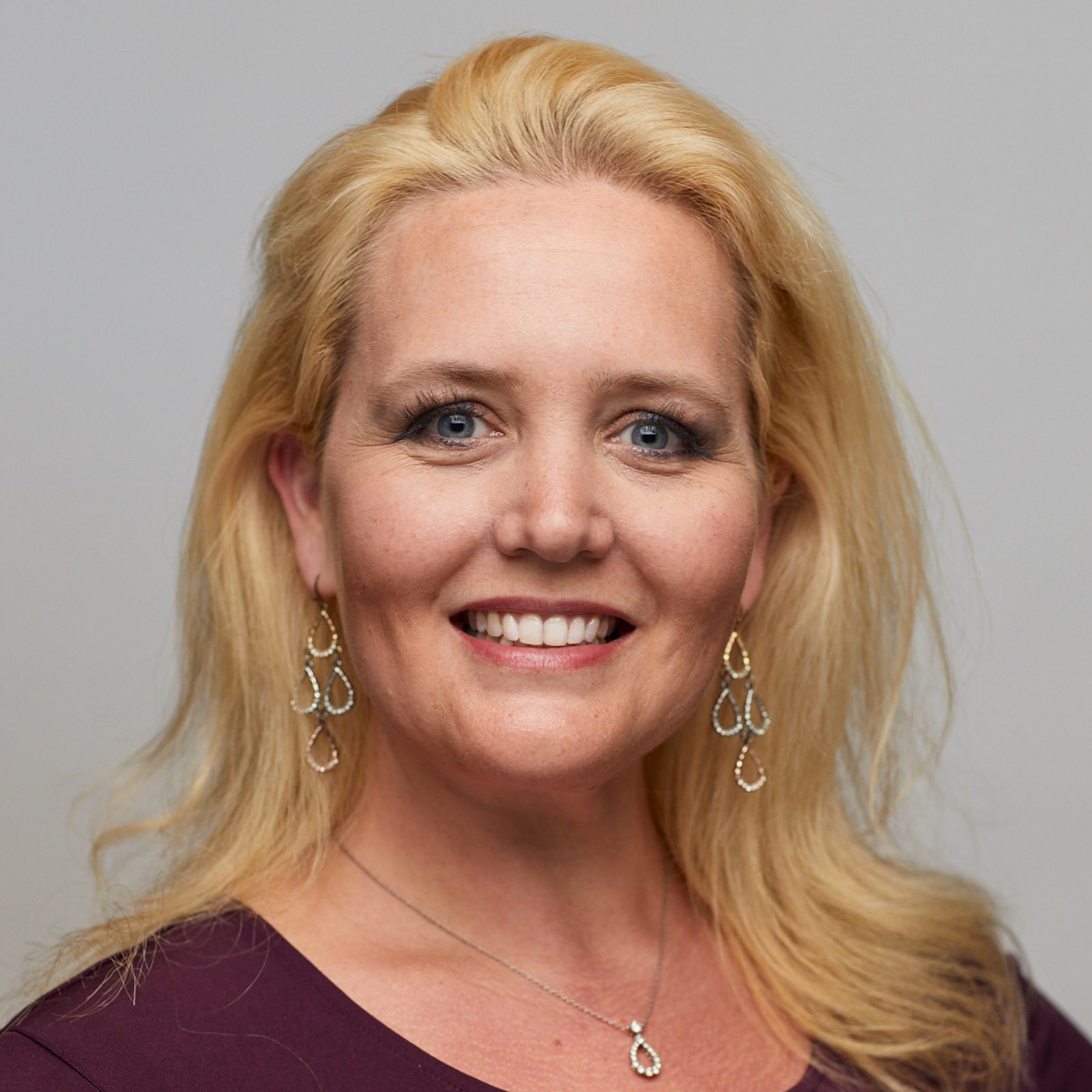
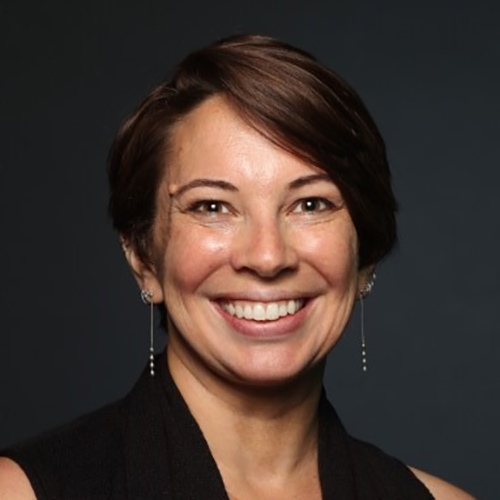
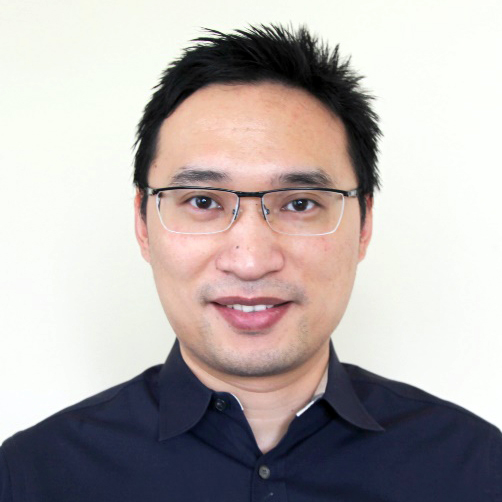
Join Geophysical Insights on 12 March in Oklahoma City for a special lunch-and-learn event featuring presentations from Deborah Sacrey, former President of AAPG, and Thomas Chaparro, Product Manager at Geophysical Insights!
How you will benefit
Learn how machine learning and deep learning (AI) are transforming stratigraphic analysis, lithofacies prediction, fault detection, and well placement, while making your work more productive and fun!
What you will learn
- How classifying multiple attributes simultaneously at seismic sample resolution reveals greater detail by adding more information to the interpretation process
- How lithofacies are predicted – assigned probabilities – by integrating machine learning unsupervised classification and well data
- How a new (patented) Seismic-to-Well Mutual Information process increases prediction accuracy by identifying the optimum set of attributes
- How fault detection probability volumes are combined with machine learning classification results, producing stratigraphic and structural details in one view
Complete the form on the right to register, and save the date! We look forward to seeing you in Oklahoma City on 12 March.
Featured Speakers

How Machine Learning is Transforming Seismic Analysis and Optimizing Well Placement
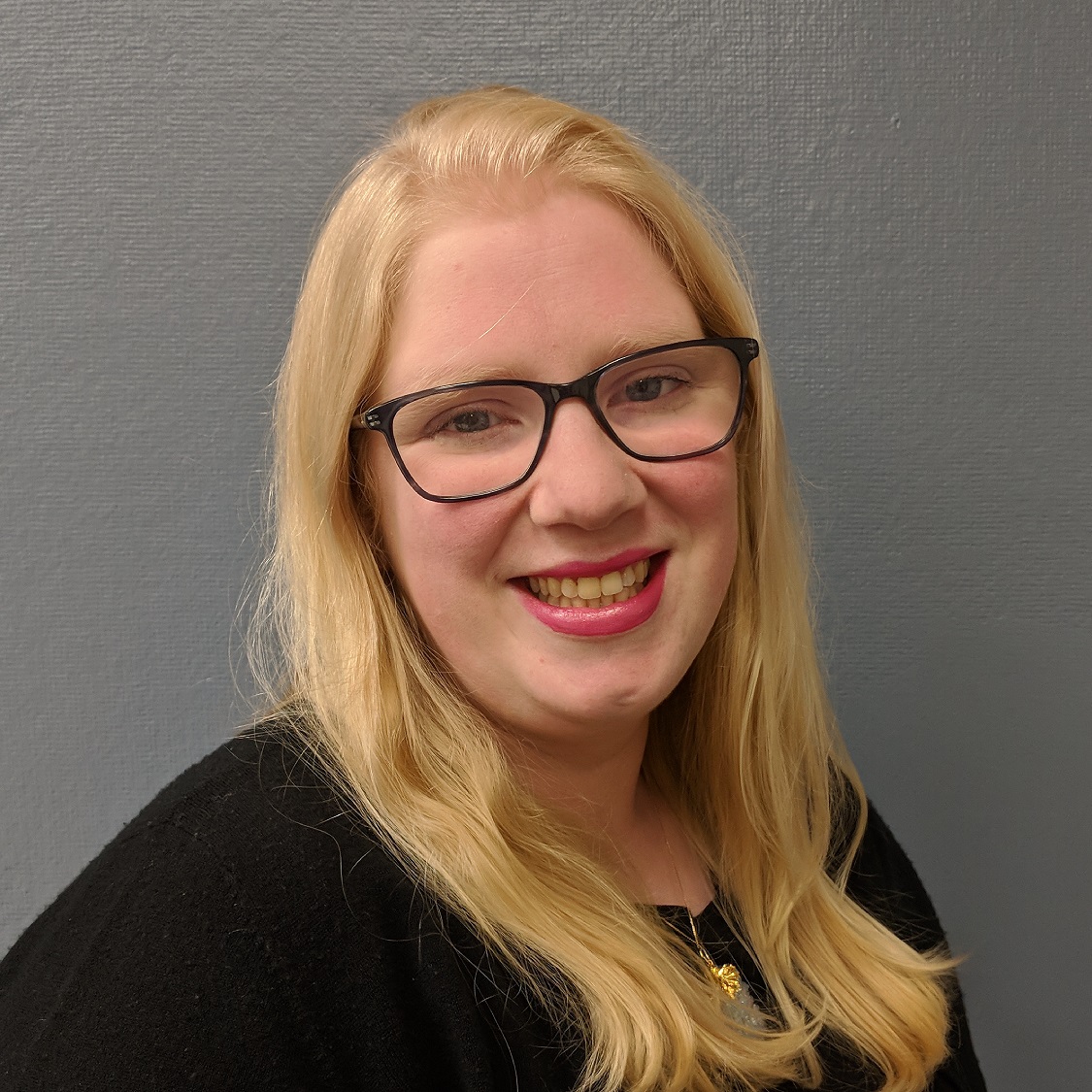
Internationally recognized geologist and former AAPG President, Deborah Sacrey, will discuss how multi-attribute machine learning applied at seismic sample resolution is transforming subsurface interpretation. Using case studies from Oklahoma, New Mexico, and the Permian Basin, she will show how this approach reveals finer stratigraphic and structural detail, reduces risk, and uncovers geologic features beyond the limits of conventional wavelet-based methods.

Enhance Your Geoscience Effectiveness
with the Power of AI
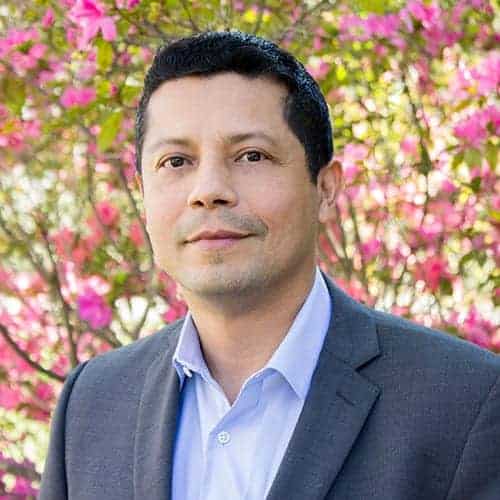
Thomas Chaparro will present how the Paradise AI Workbench enhances seismic interpretation through interpreter-driven machine learning workflows. He will demonstrate applications in stratigraphic analysis, lithofacies prediction, and AI-assisted fault detection, including the Seismic-to-Well Mutual Information (SWMI) process, which improves attribute selection, repeatability, and confidence without relying on a “black box” approach.